Wastewater Filtration System
That afternoon, the factory's sewers continued to discharge murky wastewater. For a long time, this water has been viewed as a burden that *must* be treated—driving up costs and gradually placing pressure on environmental protection efforts.
That is, until the workshop installed new equipment—a fully automated wastewater recovery and filtration system.
Initially, it stood quietly in the corner, rarely drawing anyone's attention. Once the technicians had completed the commissioning, the machine began to operate automatically. Water flowed into the system, passing through successive layers of filtration mechanisms—gradually undergoing purification, separation, and recirculation. The entire process required minimal human intervention; the control system monitored data in real time and automatically adjusted the machine's operational status.
A few days later, changes began to emerge. The originally turbid wastewater gradually became clear, and a portion of the treated water was even returned to the production process. Water resources were no longer merely consumables, but began to become recyclable resources.
Standing before the control panel and observing the steadily declining emission figures, the factory's management realized—for the first time—that environmental protection is not a burden, but a reality that can be transformed through technology.
The machine continues to run, and the water continues to circulate. The wastewater that was once discharged has now gained a new "life" within the system.
Featured Articles
-
-
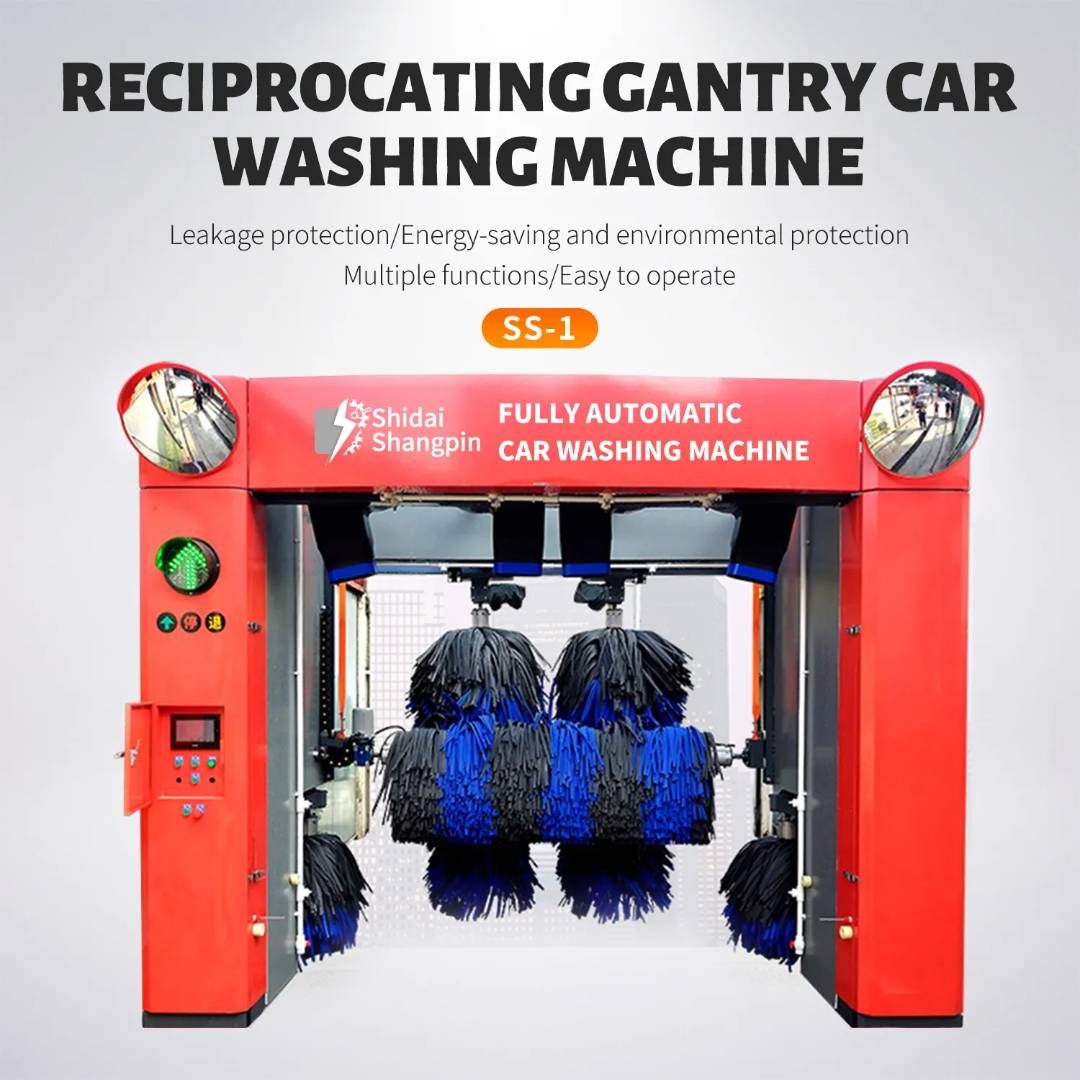 Methods for Quick Car Washing 2026-04-27
 -
-
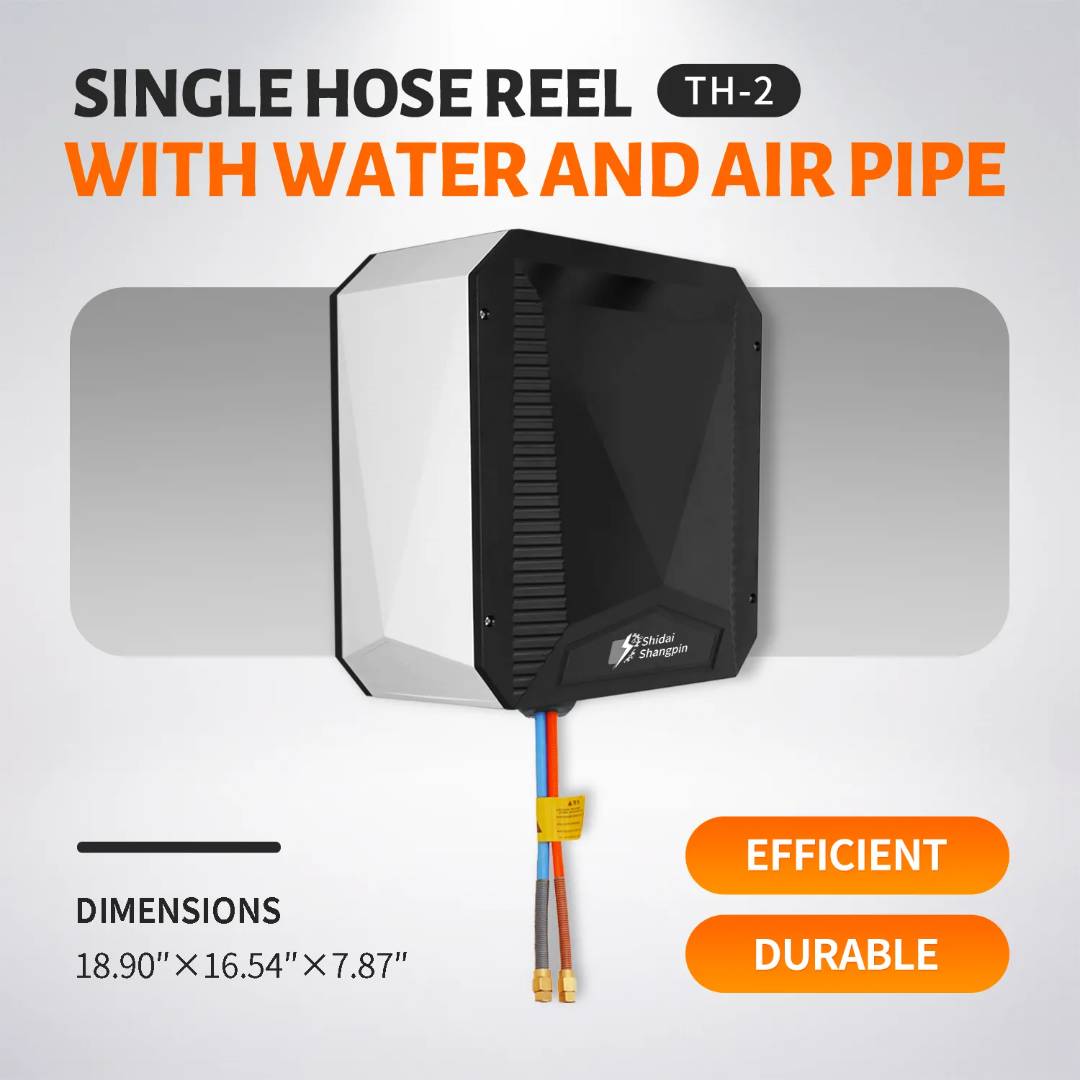 Automatic Retractable Dual-Hose Foam Reel 2026-04-09
 -